Journal
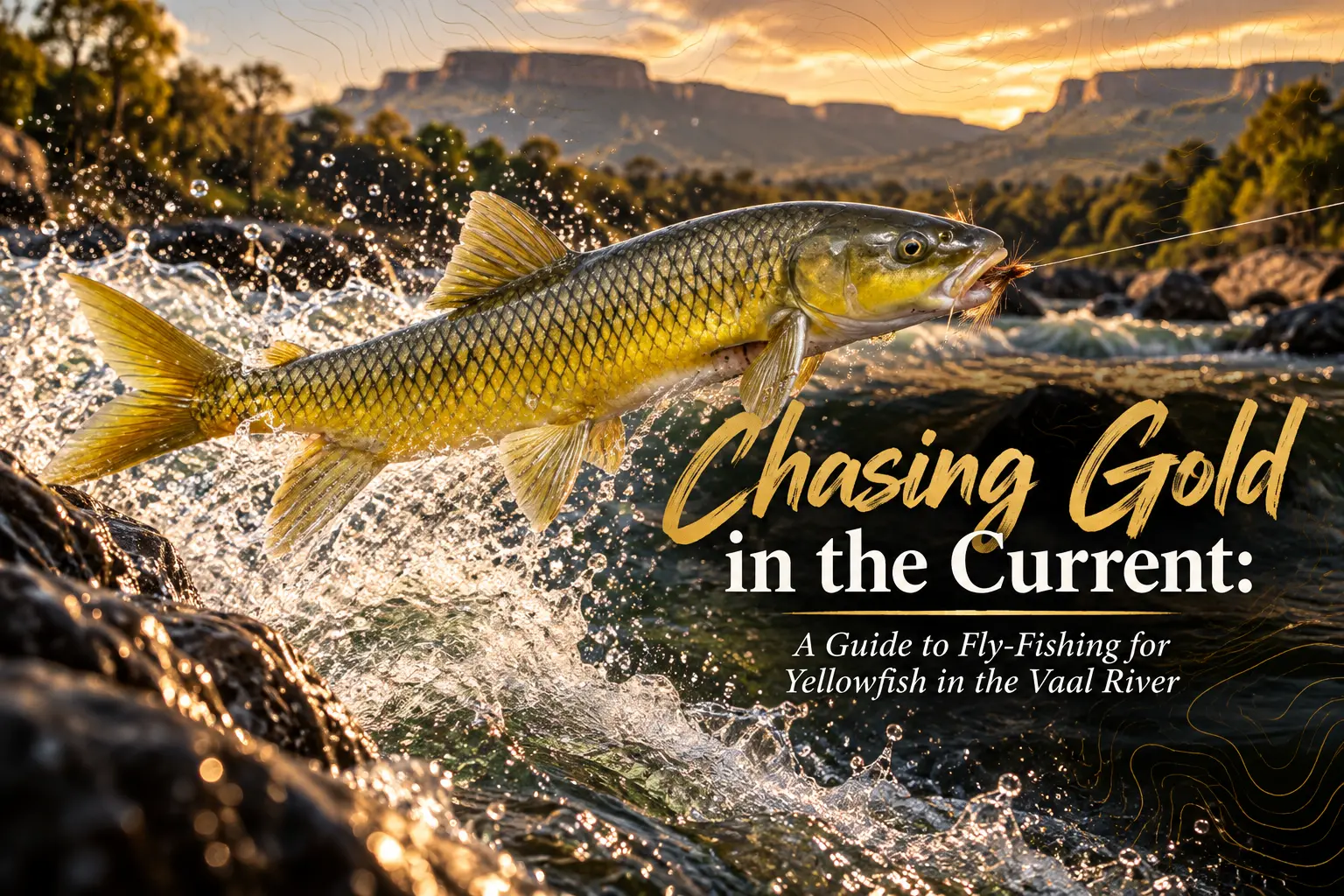
A Guide to Fly-Fishing for Yellowfish in the Vaal River
Discover the art of fly-fishing for South Africa’s indigenous yellowfish, where clear currents, rocky rapids, and wild river landscapes create an unforgettable angling experience.
The Golden Treasure of the Vaal: There is something special about standing knee-deep in a flowing river, watching the current roll over ancient rocks while the afternoon sun catches the water. The world slows down. Your attention narrows to the drift of a fly, the movement of the current, and the possibility of a golden flash beneath the surface. For South African anglers, the Vaal River offers exactly this kind of experience. Stretching across a large part of the country's interior, the Vaal is one of South Africa's best-known freshwater fishing destinations. Its waters support several species of indigenous yellowfish, including the smallmouth yellowfish and largemouth yellowfish, which attract fly-fishers from across the country and beyond. Yellowfish are not simply another fish to add to a catch record. They are an important part of South Africa's freshwater ecosystems and a rewarding challenge for anglers who appreciate skill, patience, and time spent outdoors. Whether you are a seasoned fly-fisher or picking up a fly rod for the first time, the Vaal River offers an opportunity to test your abilities, learn to read moving water, and experience one of the country's great freshwater angling traditions.
Meet the Yellowfish: South Africa is home to several yellowfish species, but the smallmouth and largemouth yellowfish are particularly significant to anglers fishing the Vaal River system.
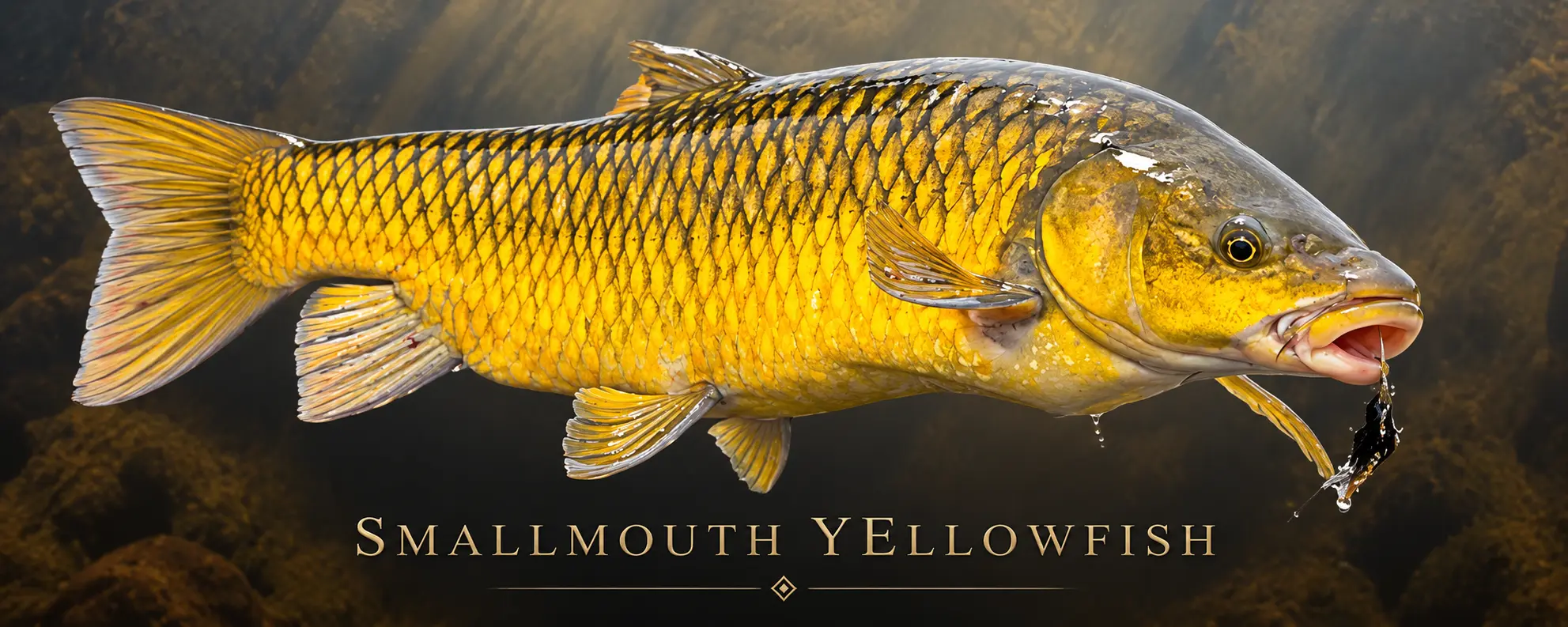
Smallmouth Yellowfish: The smallmouth yellowfish (Labeobarbus aeneus) is one of the most sought-after freshwater fly-fishing species in the Vaal. Often found in flowing water, these fish are well adapted to river environments. Their streamlined bodies help them hold position in currents, while their feeding behaviour makes them an interesting target for anglers who enjoy technical fishing. Smallmouth yellowfish commonly feed on aquatic insects, insect larvae, and other small organisms. Depending on the season and local conditions, they may feed close to the riverbed, in the water column, or near the surface when insects become available. Their strength is part of their appeal. A fish that initially looks modest in size can put a surprising bend in a fly rod when it uses the current to its advantage.
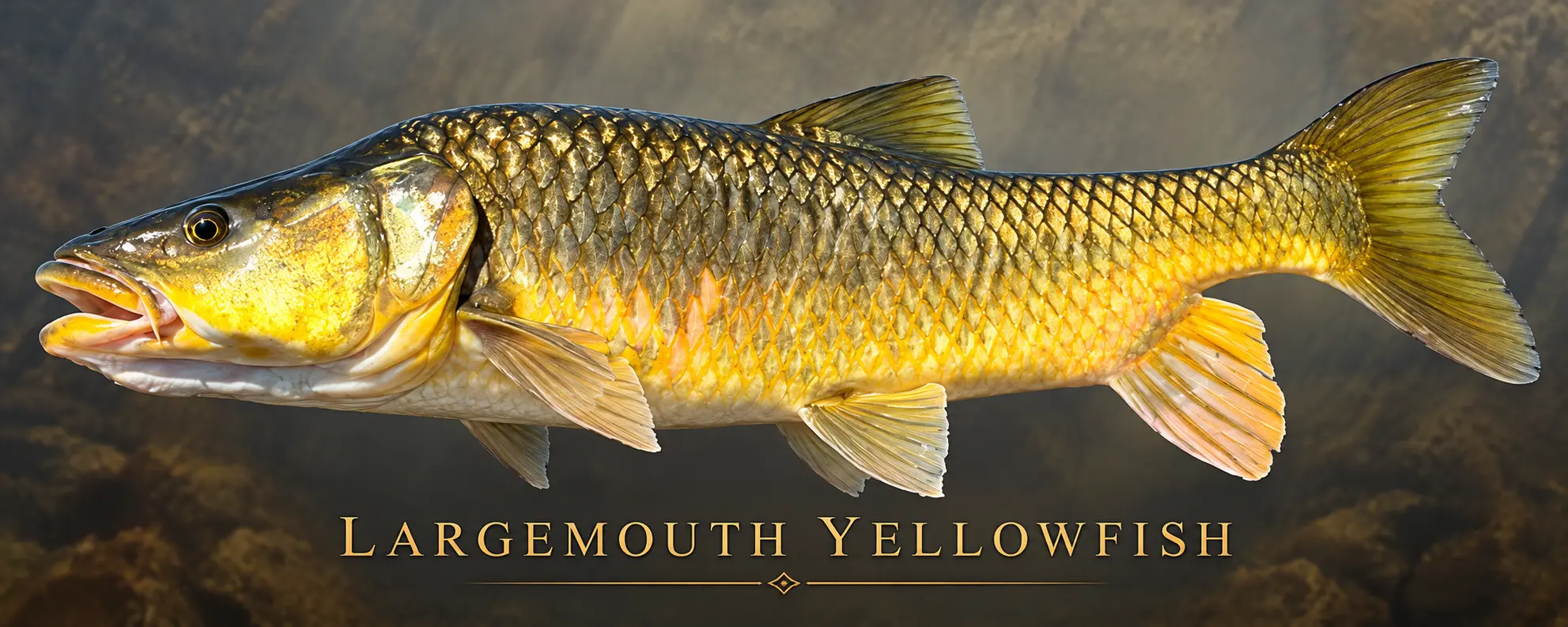
Largemouth Yellowfish: The largemouth yellowfish (Labeobarbus kimberleyensis) is another prized species associated with the Vaal River system. As its name suggests, it has a larger mouth than the smallmouth species, reflecting differences in feeding behaviour. Largemouth yellowfish are more predatory and can feed on smaller fish and other suitable prey. They can grow considerably larger than smallmouth yellowfish, making a mature specimen an impressive catch. However, they are not always easy to find or tempt, and their distribution and behaviour vary across the river system. For fly-fishers, targeting largemouth yellowfish can require a different approach, including larger flies, streamers, careful observation, and a willingness to cover suitable water. Both species offer their own challenges, and learning to identify them correctly adds another dimension to fishing the Vaal.
Understanding the Vaal River: Successful fly-fishing begins long before the first cast. It starts with understanding the river itself. The Vaal is not one uniform stretch of water. Depending on where you fish, you may encounter rocky rapids, shallow riffles, deeper pools, slower runs, submerged boulders, and undercut banks. Each feature creates different opportunities for fish to feed, rest, and shelter from the current.
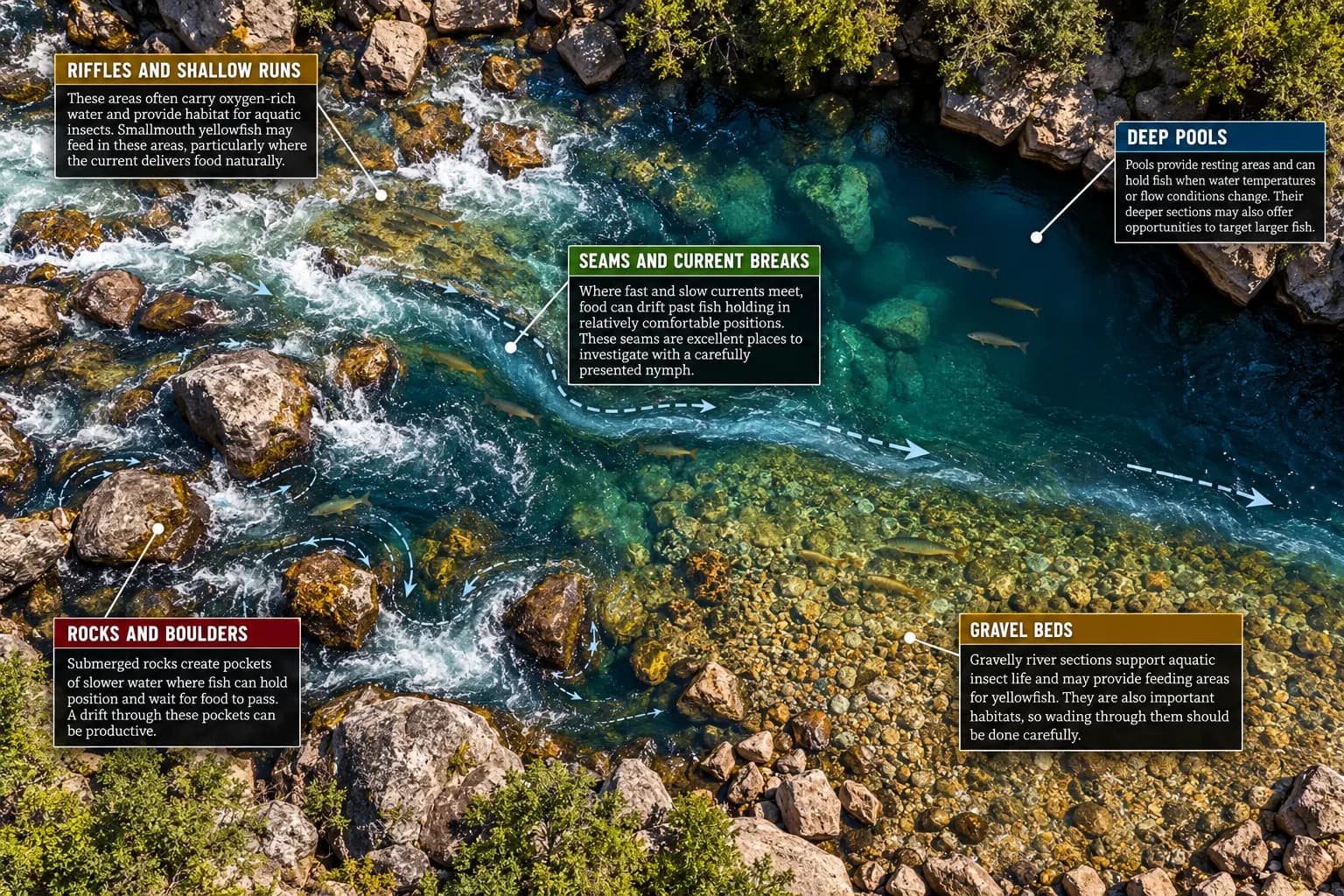
Reading the Water: Learning to read the river is one of the most valuable skills a yellowfish angler can develop. Riffles and shallow runs: These areas often carry oxygen-rich water and provide habitat for aquatic insects. Smallmouth yellowfish may feed in these areas, particularly where the current delivers food naturally. Deep pools: Pools provide resting areas and can hold fish when water temperatures or flow conditions change. Their deeper sections may also offer opportunities to target larger fish. Seams and current breaks: Where fast and slow currents meet, food can drift past fish holding in relatively comfortable positions. These seams are excellent places to investigate with a carefully presented nymph. Rocks and boulders: Submerged rocks create pockets of slower water where fish can hold position and wait for food to pass. A drift through these pockets can be productive. Gravel beds: Gravelly river sections support aquatic insect life and may provide feeding areas for yellowfish. They are also important habitats, so wading through them should be done carefully. The key is to observe before casting. Look for changes in current speed, underwater structure, feeding activity, and the paths along which natural food is travelling. A few minutes spent studying a stretch of water can be more productive than dozens of hurried casts.
Choosing the Right Fly-Fishing Equipment: You do not need an elaborate collection of equipment to enjoy yellowfish fishing on the Vaal. A well-balanced outfit, suitable flies, and a practical approach will take you a long way. The Fly Rod: A 9-foot, 5-weight fly rod is a versatile starting point for many smallmouth yellowfish situations. It offers a useful balance between casting accuracy, line control, and the ability to handle fish in flowing water. A 4-weight rod can be enjoyable on smaller water or when conditions favour delicate presentations. A 6-weight may be more suitable when fishing larger flies, dealing with stronger winds, or targeting bigger fish. Your choice should depend on the stretch of river, the flies you intend to use, and the conditions you expect to encounter. The Reel and Line: A reliable reel with a smooth drag is important, particularly when a strong fish makes a run into the current. A weight-forward floating line is a practical all-round choice for many Vaal River situations. It works well for dry flies, nymphing setups, and a range of general presentations. For most beginners, a good floating line and a properly balanced outfit are more valuable than buying specialised equipment before understanding the fishery. Leaders and Tippets: Yellowfish can be selective, particularly in clear water where they have time to inspect a fly. A tapered leader helps transfer energy during the cast and provides a natural presentation. Tippet selection depends on fly size, water clarity, current strength, and the size of fish you expect to encounter. Lighter tippets can improve presentations in clear water, but they also require careful fish handling and controlled pressure during the fight. Do not use tackle so light that landing a fish becomes unnecessarily prolonged. Essential Accessories: A practical Vaal River kit includes polarised sunglasses for reducing glare and spotting underwater features, waders or suitable river footwear with reliable grip, a landing net with soft fish-friendly mesh, forceps or a suitable hook-removal tool, and a compact fly box containing a range of nymphs and dry flies. Sunscreen, a hat, drinking water, weather-appropriate clothing, a small first-aid kit, and a waterproof phone pouch are also worth packing. Good preparation makes the day safer and allows you to concentrate on fishing rather than dealing with avoidable problems.
The Best Flies for Vaal River Yellowfish: Yellowfish are opportunistic feeders, but their behaviour changes with insect activity, water conditions, and the availability of food. The most effective fly is often not the most complicated one. It is the fly that resembles something the fish are already eating and reaches the correct part of the water at the right time.
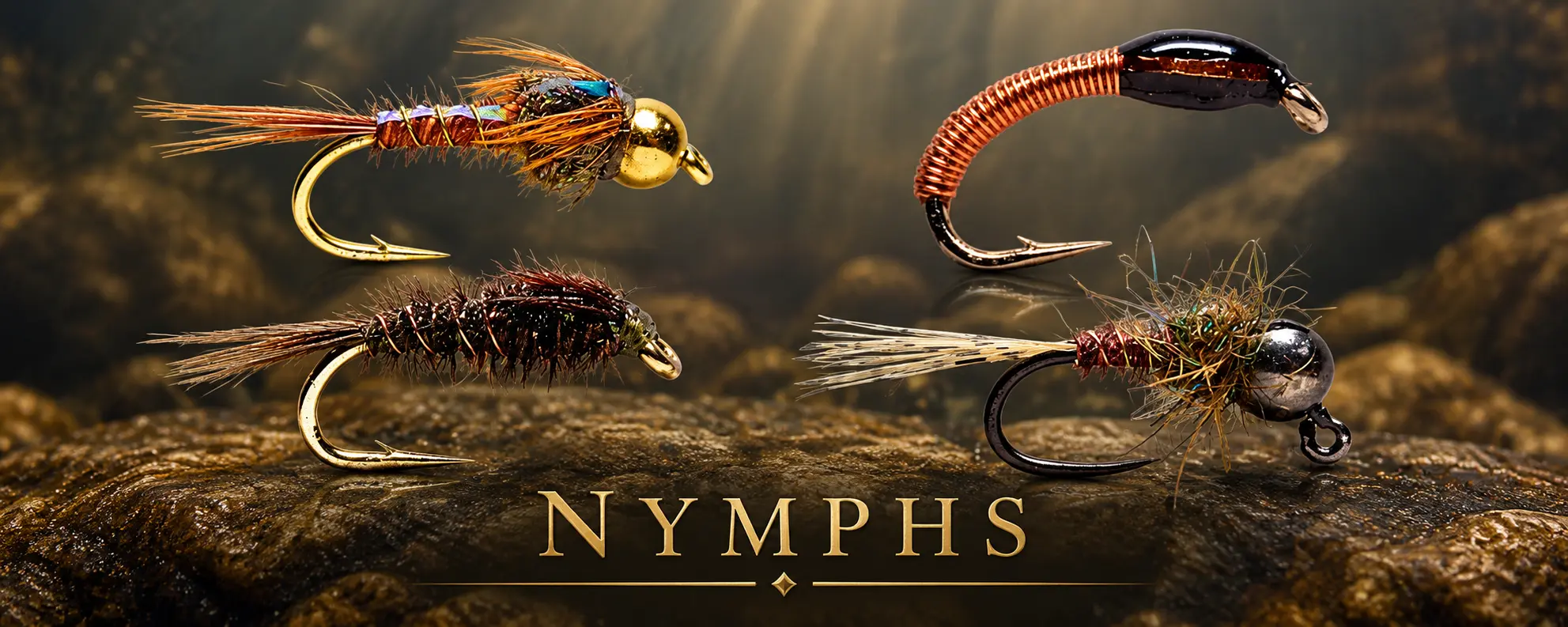
Nymphs: The Dependable Starting Point: Nymphs imitate the immature stages of aquatic insects and are a fundamental part of yellowfish fly-fishing. Useful patterns to carry include Pheasant Tail Nymphs, Hare's Ear Nymphs, small natural-coloured mayfly nymph imitations, caddis larva imitations, bead-head nymphs in suitable sizes and colours, and locally appropriate stonefly or other aquatic-insect imitations. Natural shades such as olive, brown, tan, and black are useful starting points. Brighter patterns may also work in some conditions, but there is no universal colour that consistently outperforms every other option. Carry different sizes and weights. A small, lightly weighted fly can be effective in shallow water, while a heavier bead-head pattern may be needed to reach fish feeding close to the bottom in deeper or faster currents.
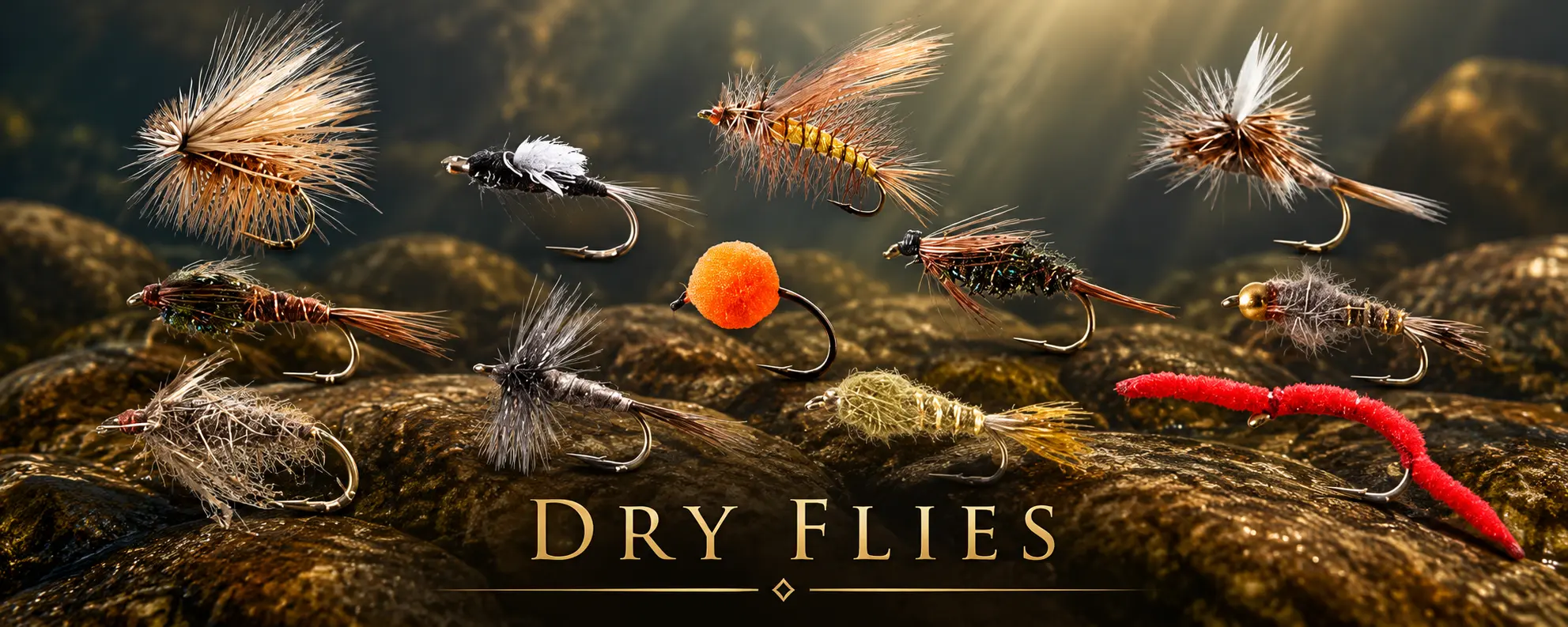
Dry Flies: When Yellowfish Look Up: Watching a yellowfish rise to a dry fly is one of the great pleasures of river fishing. Dry flies imitate adult insects floating on the surface. When fish are feeding on emerging or adult insects, a well-presented dry fly can be highly effective. Useful patterns may include small parachute-style mayflies, Elk Hair Caddis, foam beetles and other terrestrial imitations, and locally appropriate adult insect patterns. Look for repeated surface rises, insects drifting over the water, and fish feeding in predictable positions. When fish are rising, avoid casting directly over them repeatedly. A careful approach and a natural drift often matter more than changing flies every few minutes.
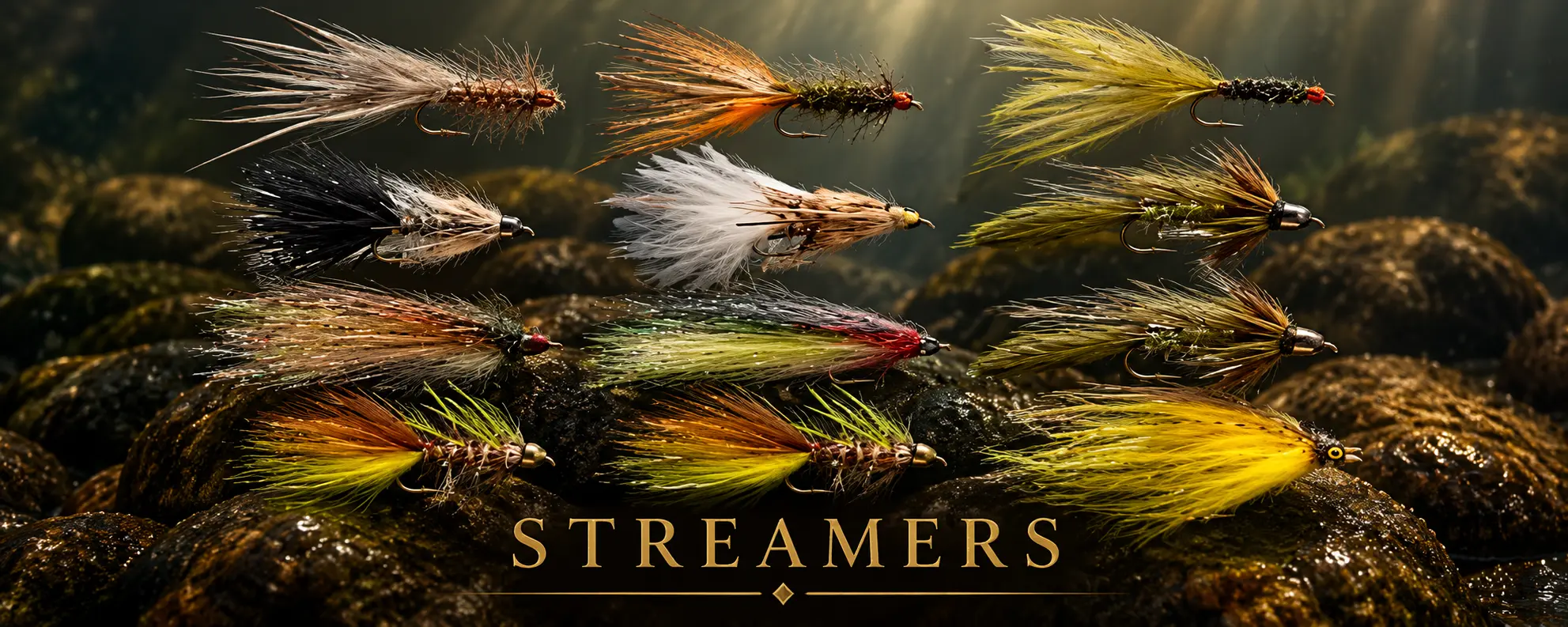
Streamers: Searching for Larger Predators: Streamers imitate small fish, leeches, or other larger prey. They can be useful when targeting largemouth yellowfish or searching deeper water where predatory fish may be holding. Patterns should be chosen according to local prey, water clarity, depth, and flow. A controlled retrieve that allows the fly to move naturally through likely holding areas is generally more useful than retrieving at one speed regardless of conditions. Remember that fish feeding on larger prey may not be active throughout the day. Patience and observation remain important.
Techniques for Catching Yellowfish: Fly-fishing for yellowfish rewards accurate casting, good line control, and an understanding of how food moves through the river.
1. Nymphing: Nymphing is one of the most productive approaches for smallmouth yellowfish because much of their feeding takes place below the surface. The basic idea is simple: present an artificial nymph so that it drifts naturally with the current, ideally through the depth where fish are feeding. Cast slightly upstream or across the current and allow the fly to travel through the target zone. Keep enough contact with the line to detect subtle takes, but avoid dragging the fly unnaturally across the water. An indicator can help reveal strikes, especially for beginners. More experienced anglers may prefer direct contact or other indicator-free techniques depending on the conditions. If you are repeatedly retrieving the fly before it reaches the likely feeding depth, consider adjusting the fly's weight, leader arrangement, or casting angle.
2. Dry-Fly Fishing: Dry-fly fishing requires a little more observation and can be particularly satisfying when fish are actively feeding on the surface. Watch for rising fish and determine whether they are feeding repeatedly in one area. Position yourself where you can make a manageable cast without disturbing the fish. Present the fly upstream of the target and allow it to drift naturally. If the current pulls the line faster than the fly, the resulting drag may make the imitation look unnatural. Mending the line, changing your casting angle, or moving to a better position can improve the drift. The rise is only part of the experience. Seeing the fish turn towards the fly, take it, and then feeling the weight of the fish through the rod makes the patience worthwhile.
3. Fishing the Seams: Current seams are particularly useful when you want to cover likely feeding water efficiently. Fish can hold in slower water while taking food delivered by a faster current. Cast so the fly passes through the boundary between these flows, adjusting the angle until you obtain a natural drift. Work through the seam systematically rather than making repeated casts to the same spot without changing the presentation.
4. Targeting Largemouth Yellowfish: Largemouth yellowfish require a different mindset from smallmouth yellowfish. Instead of concentrating exclusively on insect imitations, look for deeper holding water, structure, and areas where smaller fish or other prey might be available. Larger streamers may be appropriate, but do not assume that every large yellowfish will chase an imitation. Their behaviour varies with water temperature, flow, prey availability, and fishing pressure. Cover suitable water carefully, change your retrieve when necessary, and avoid excessive disturbance in areas where you suspect fish are holding.
When Is the Best Time to Fish the Vaal? There is no single month or time of day that guarantees success. Conditions on the Vaal change with rainfall, releases from upstream dams, water temperature, insect activity, and local fishing pressure. Spring: Spring can bring changing water temperatures and increasing insect activity. As conditions improve, fish may become more active, although rainfall and fluctuating flows can affect access and visibility. Summer: Summer can offer excellent opportunities, particularly when conditions are stable and insect activity is high. However, thunderstorms, sudden changes in river flow, high temperatures, and muddy water can complicate fishing. Early mornings and later afternoons may be comfortable times to fish, especially during hot weather. Autumn: Autumn can provide pleasant fishing conditions, with cooler temperatures and potentially more stable weather. It is an excellent time to observe feeding patterns and refine your presentation. Winter: Winter fishing can be rewarding, but cold water and reduced insect activity may affect feeding behaviour. Fish may be less active or concentrated in different areas, making careful water selection particularly important. Rather than relying entirely on the calendar, check recent local conditions and adjust your approach to the water in front of you.
Conservation: Protecting the Vaal's Golden Fish: The future of yellowfish angling depends on the health of the river and the responsible behaviour of everyone who uses it. Although catch-and-release fishing is widely practised by yellowfish anglers, releasing a fish does not automatically guarantee its survival. Handling, air exposure, water temperature, and the length of the fight can all affect the outcome. A few simple habits can make a meaningful difference. Keep the fish in the water whenever possible: Prepare your camera before lifting the fish and avoid unnecessary handling. Wet your hands before touching the fish: This helps protect its natural protective mucus layer. Use appropriate tackle: Gear that is too light may prolong the fight and exhaust the fish unnecessarily. Remove hooks carefully: Barbless or debarbed hooks can make removal easier. If a hook is deeply embedded, avoid causing additional injury in an attempt to retrieve it. Support the fish properly: Keep it horizontal and support its body without squeezing its abdomen or gills. Revive the fish in clean, flowing water: Hold it upright and allow it to recover. Do not move it forcefully backwards and forwards through the water. Respect spawning areas and sensitive habitats: Avoid trampling riverbeds unnecessarily, disturbing fish congregations, or damaging aquatic vegetation. Take your rubbish home: Fishing line, hooks, packaging, and other discarded items can harm wildlife long after you leave. The Vaal is more than a fishing destination. It is a living ecosystem, and every angler has a responsibility to leave it in good condition for the next person.
Safety on the River: Moving water deserves respect, even when a river looks calm. Water levels can change because of rainfall or dam releases, and submerged rocks can make footing unpredictable. Algae-covered surfaces can be slippery, while deeper channels may be difficult to judge from the bank. Before fishing, check local conditions and any relevant dam-release information. Never enter water that is rising rapidly or flowing too strongly for your ability. Wear footwear with dependable traction, use a wading staff where appropriate, and avoid wading alone in unfamiliar areas. A personal flotation device is worth considering when conditions or your planned route create additional risk. If thunderstorms threaten, leave exposed riverbanks and the water well before the storm arrives. Electrical storms are especially dangerous around open water. Also check access permissions, local fishing regulations, licensing requirements, and any restrictions that apply to the specific stretch of river you intend to fish. A successful day is not measured only by the fish you catch. It is measured by returning home safely.
Your First Day on the Vaal: A Practical Approach: If you are new to yellowfish fly-fishing, avoid making your first trip unnecessarily complicated. Start with a suitable 5-weight outfit, a floating line, a selection of weighted nymphs, and a few dry flies. Find a legal, accessible stretch of water with manageable current and safe wading conditions. Spend the first part of the morning observing the river. Identify seams, riffles, deeper pockets, and possible feeding lanes. Watch for insects and fish activity before choosing your first fly. Begin by nymphing a promising run. Make controlled casts, maintain a natural drift, and pay attention to every unusual movement of the indicator or line. If you do not get a response, change one variable at a time. Try a different depth, fly size, weight, or drift before abandoning the entire stretch. Take breaks, stay hydrated, and enjoy the process. A day spent learning to read water and understand fish behaviour is valuable even if you do not land a fish. If possible, fish with an experienced local angler or book a reputable guide. Local knowledge can help you understand access points, seasonal patterns, safe wading routes, and the best techniques for the conditions.
More Than Just Fishing: Fly-fishing for yellowfish on the Vaal is about much more than the moment a fish takes the fly. It is about learning to read a river, developing patience, and appreciating the small details that are easy to overlook when life moves too quickly. It is about the sound of flowing water, the feel of a fly rod in your hand, and the satisfaction of doing something well through practice rather than luck. Some days will bring multiple fish and memorable fights. Others will test your patience from the first cast to the last. Both can be worthwhile. The river has its own rhythm, and learning to work with it is part of the reward. For those who love the South African outdoors, the Vaal offers a reminder that adventure does not always require travelling far from home. Sometimes, it begins with a rod, a handful of flies, and a willingness to spend a day beside moving water.
Final Thoughts: Yellowfish are among South Africa's most rewarding freshwater fly-fishing targets, and the Vaal River remains an important destination for anglers looking to experience them. Success comes from understanding the river, selecting suitable equipment, presenting flies naturally, and adapting to changing conditions. Equally important is respecting the fish, protecting their habitat, and practising safe angling. Whether you are chasing your first smallmouth yellowfish or hoping to encounter a powerful largemouth, the Vaal offers lessons that extend beyond fishing itself. Pack your gear, study the water, and take the time to enjoy the experience.
New drops and field notes.
Built in South Africa · ESTD 2025