Journal
Discovering Africa's Baobab
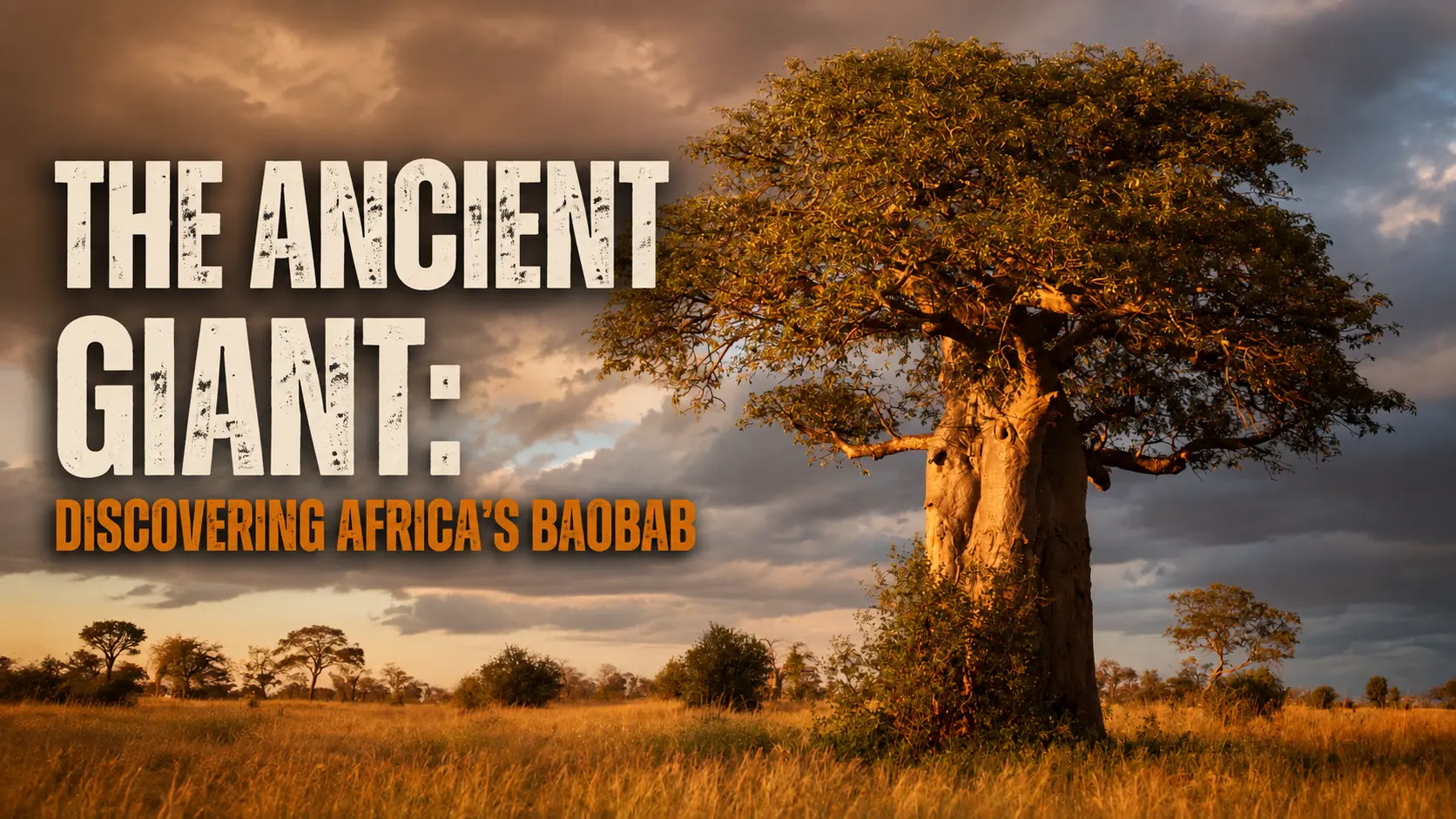
Few trees in Africa command the same sense of wonder as the baobab. With its enormous trunk, strange spreading branches and almost mythical appearance, the baobab looks as though it belongs to another age. Across the African savanna, these remarkable trees have stood for generations, providing food, materials, shade and shelter while becoming deeply woven into the cultural identity of the communities that live among them. The African baobab, Adansonia digitata, is one of the most recognisable trees on the continent. It occurs naturally across much of tropical and southern Africa and is particularly well adapted to hot, dry environments. Its ability to survive harsh conditions, combined with its extraordinary longevity and usefulness, has earned it a special place in African life. The baobab is sometimes called the "upside-down tree" because its thick, spreading branches can resemble roots reaching into the sky. During the dry season, when its leaves have fallen, this appearance becomes even more striking. Its massive trunk can reach extraordinary proportions, with some individuals developing a girth of more than 20 metres. Although the tree is generally relatively short compared with its enormous trunk, its silhouette can dominate the landscape. What makes the baobab particularly remarkable is the way it has adapted to life in some of Africa's harshest environments. Its swollen trunk can store substantial quantities of water, helping the tree survive prolonged periods of drought. It is also capable of growing in relatively poor soils and can tolerate high temperatures. Some baobabs are believed to live for many centuries, with estimates of up to around 1,000 years appearing in agricultural and ethnobotanical literature. Yet the baobab is far more than an impressive landmark. For generations, people have made use of almost every part of the tree.
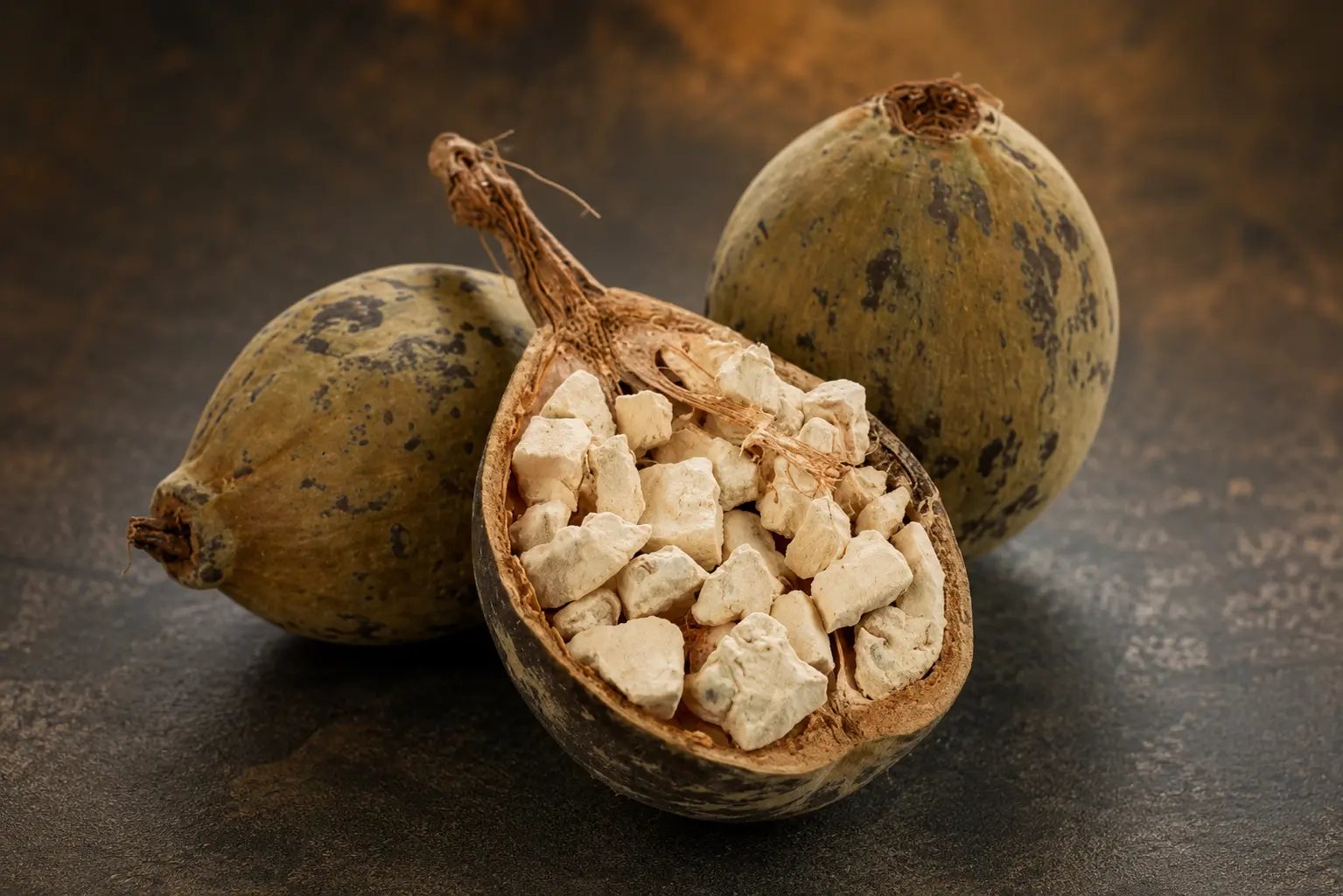
The Remarkable Baobab Fruit: Perhaps the most famous gift of the baobab is its fruit. Often called monkey-bread or cream-of-tartar fruit, the baobab fruit develops inside a hard, woody shell covered in a fine velvety layer. When mature, the fruit contains a dry, pale, powdery pulp surrounding numerous dark seeds. Unlike many fruits, the pulp naturally dries while still inside the protective shell, meaning it can remain preserved for an extended period without conventional processing. The flavour of the pulp is distinctive. It has a naturally tart, slightly citrus-like taste, which has led to another common name, the lemonade tree. The pulp can be eaten directly, but it is also traditionally mixed with water or milk to create refreshing drinks. In some regions, it is added to porridge and other foods, while modern food production has increasingly turned the dried pulp into a fine powder that can be incorporated into beverages, smoothies, and other products. The nutritional qualities of the fruit are one of the reasons the baobab has attracted increasing attention beyond Africa. Baobab pulp provides vitamin C as well as minerals such as calcium and potassium, together with dietary fibre. Nutritional analyses have found considerable variation between individual trees and locations, but the fruit is consistently recognised as a valuable source of nutrients. The fruit can also be ground into flour. Traditionally, this powder can be mixed into maize porridge or other staple foods, adding flavour and nutrients. It can also be used to prepare juice and other drinks. In some traditional food systems, baobab pulp has been used in connection with milk, including preparations where its acidity helps influence the texture of dairy products. The fruit is therefore not simply something collected as a seasonal treat. In many communities, it represents a valuable wild food that can contribute to household nutrition and income. The collection and sale of baobab products have become an important livelihood activity in parts of Africa, particularly where farming conditions are difficult.
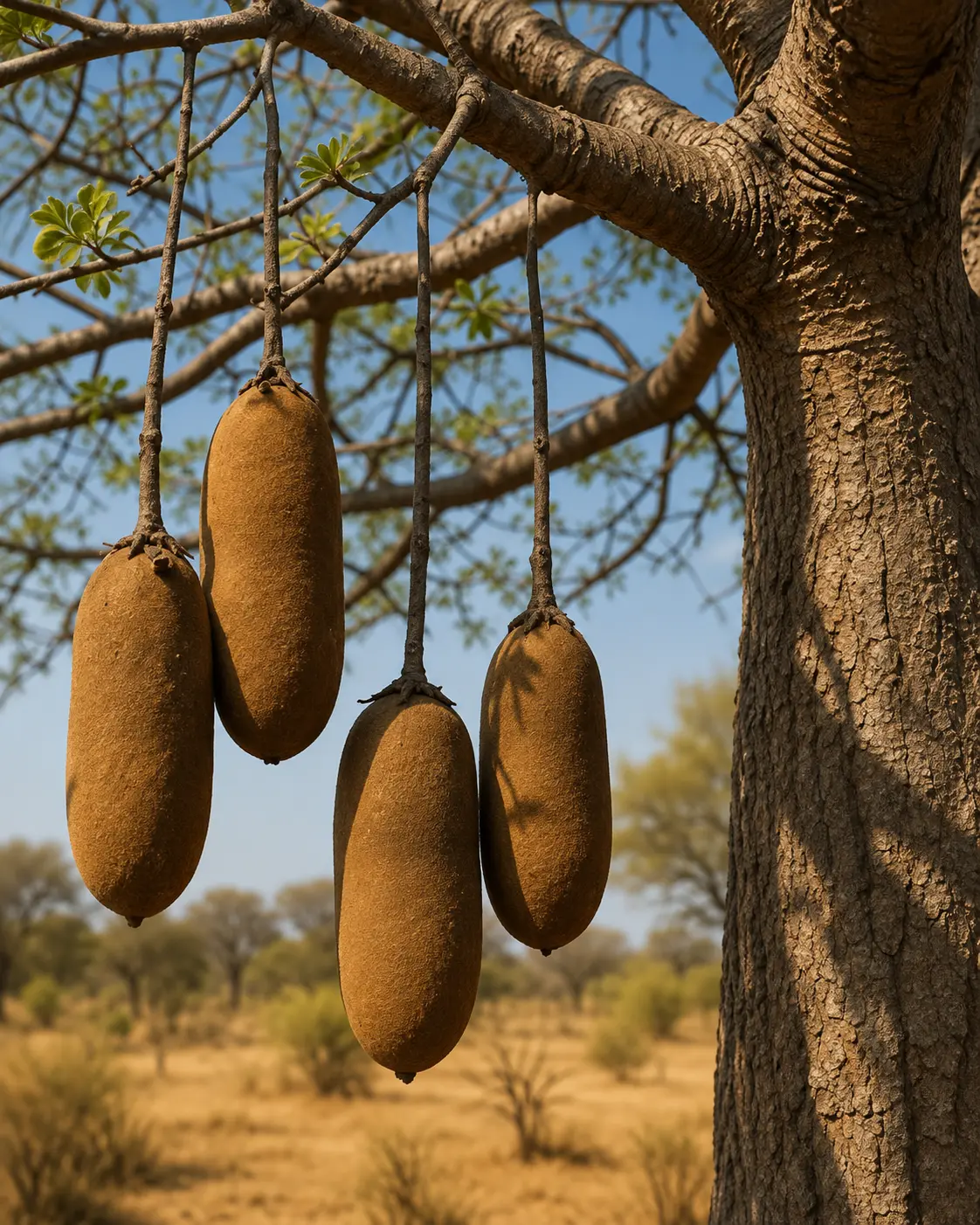
The Seeds of the Baobab: Inside the fruit are numerous hard, dark seeds. These too have traditionally been used. The seeds can be roasted and eaten, and in some communities they have been used as a coffee substitute. They contain oils and a range of minerals and nutrients, making them another valuable part of the fruit that might otherwise be discarded. Baobab seeds can also be processed to produce an oil. Baobab seed oil has attracted interest in the cosmetic industry because of its fatty acid composition and is used in products intended for skin and hair. The growing commercial demand for baobab fruit pulp and seed oil has increased the economic value of the species and created opportunities for rural communities involved in harvesting and processing it. This growing commercial interest, however, also highlights the importance of harvesting baobab products responsibly. A tree that takes many years to mature cannot simply be treated like a conventional agricultural crop. Protecting mature trees and maintaining healthy natural populations is essential if future generations are to continue benefiting from them.
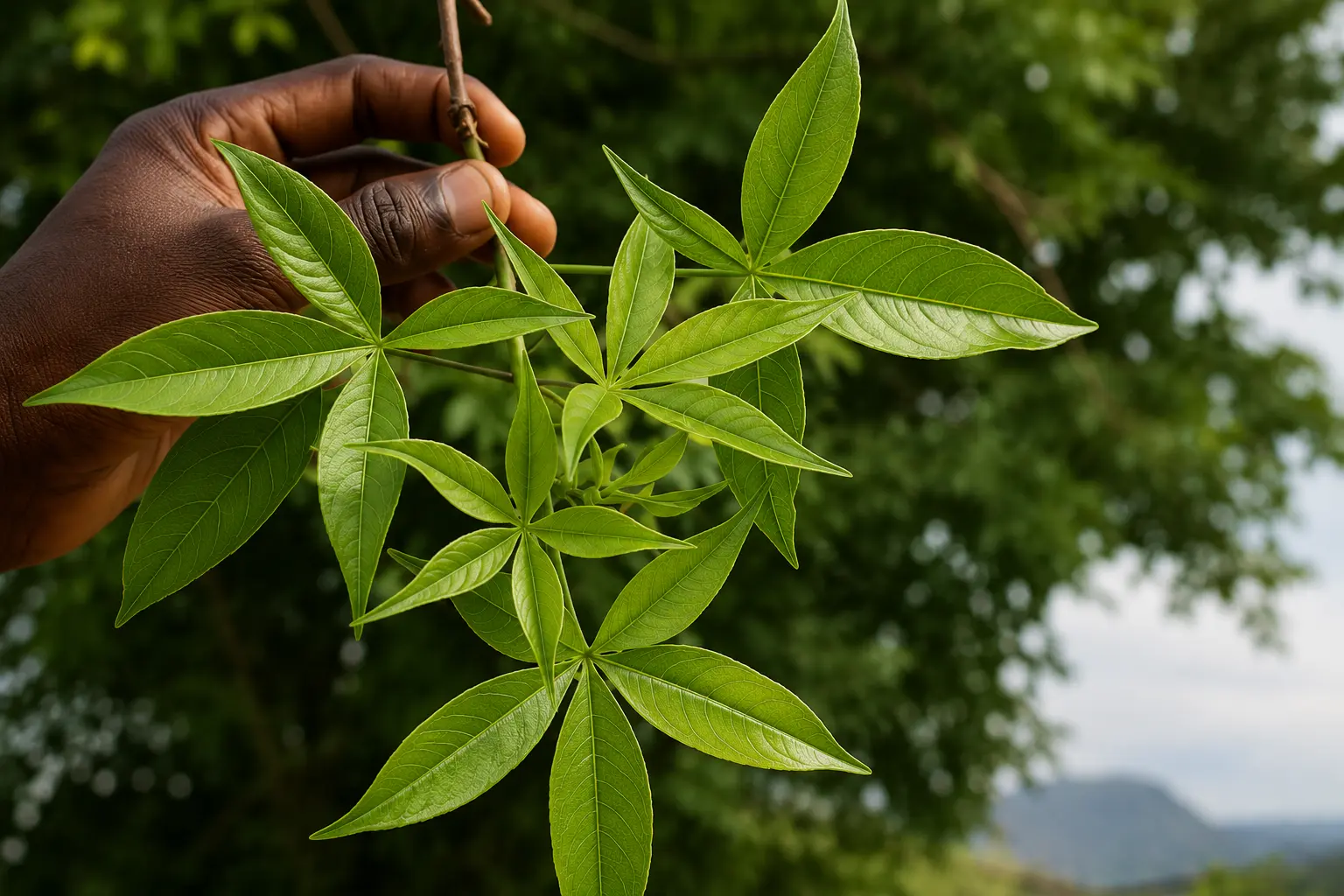
The Leaves: Another Source of Food. The usefulness of the baobab does not end with its fruit. Its leaves have long been used as food in various parts of Africa. Fresh leaves can be cooked as a vegetable, while dried leaves can be ground into a powder and incorporated into soups, sauces, and other dishes. The leaves can also serve as an important source of fodder for livestock and wild animals. During the rainy season, when the tree produces its leaves, animals such as elephants, kudu, nyala and impala may browse on them. Fallen leaves can also provide food for livestock. This makes the baobab an important part of the wider ecosystem rather than merely a resource for humans.
Bark, Fibre and Practical Uses: The baobab's bark has another remarkable quality. Beneath the outer bark lies a strong fibrous layer that can be harvested and processed into rope, string and other useful materials. Traditionally, baobab fibre has been used for weaving, basketry and making practical items. It has even been used in the construction of beehives. One of the most fascinating characteristics of the baobab is its ability to regenerate after bark has been removed. This has allowed communities to harvest fibre without necessarily killing the tree, although careless or excessive harvesting can still cause serious damage. The tree's enormous trunk has also inspired some extraordinary uses. Hollow baobab trunks, whether naturally hollowed through age, lightning or other causes, have historically been adapted for unusual purposes. Records describe hollow trunks being used as shelters, storage spaces, toilets, prisons, and even bus stops. These stories demonstrate just how closely people have incorporated the tree into everyday life.
A Tree Associated With Water and Survival: In landscapes where water can be scarce, the baobab has naturally become associated with survival. Its swollen trunk can store water, and its presence can provide shade and relief from the heat. SANBI describes the species as a tree capable of providing food, water, shelter, and relief from sickness, illustrating why it has historically been so important to people living in dry regions. The idea that the baobab stores water has also contributed to its reputation as a symbol of resilience. Its massive trunk can appear lifeless during the dry season, yet when the rains arrive, the tree produces fresh leaves and flowers, transforming once again. This seasonal transformation is one of the great spectacles of the African bush. The tree seems to disappear and return with the seasons, following the rhythm of the land rather than the calendar.
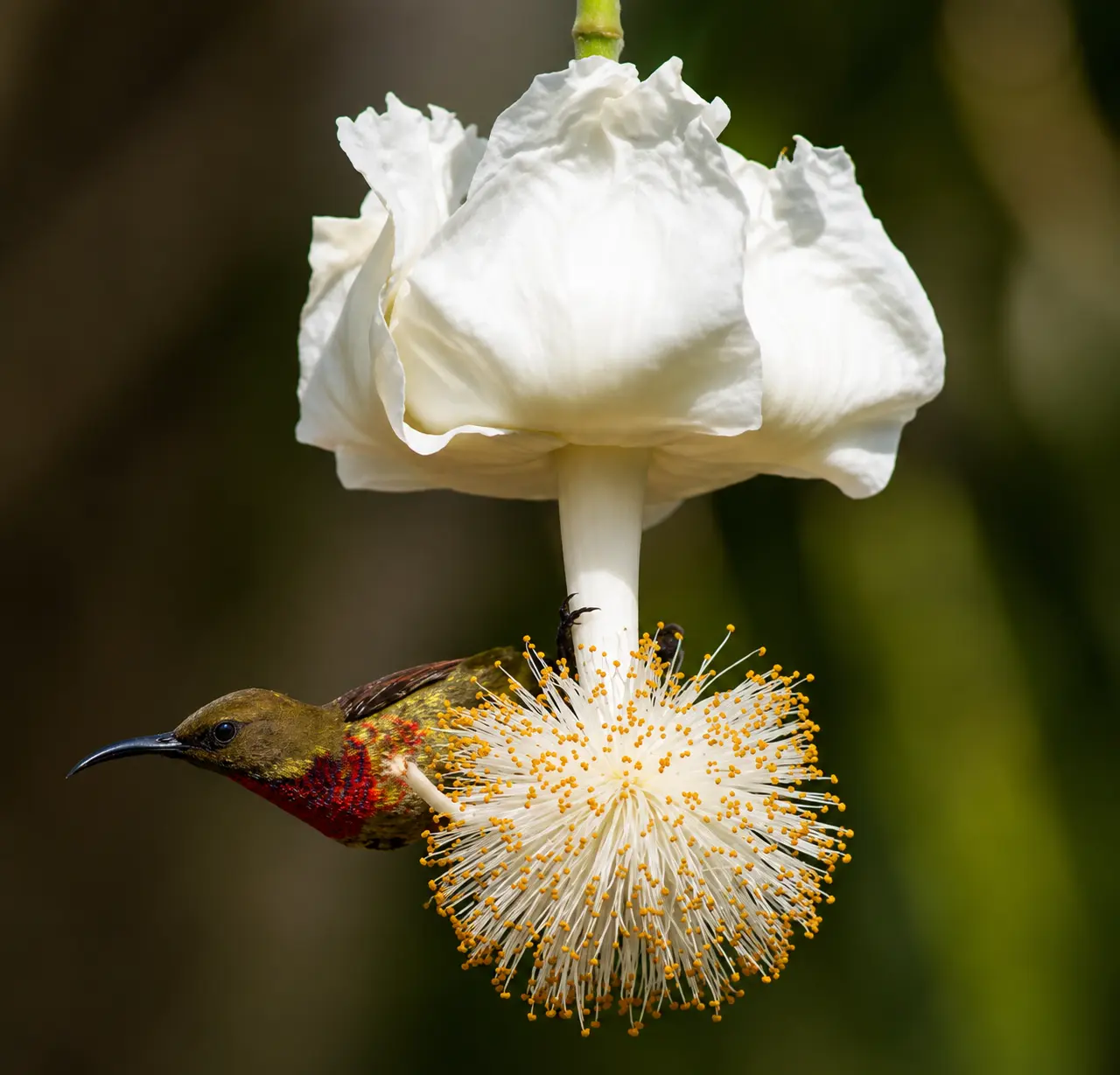
Flowers of the Night: The baobab's flowers are as unusual as the tree itself. Large, white and pendulous, they can reach around 20 centimetres across and open at night. Their nocturnal flowering is closely associated with pollination by animals such as bats and bushbabies. For anyone fortunate enough to see a baobab in flower, the experience is very different from seeing the same tree in the dry season. The enormous white flowers emerge from the otherwise rugged structure of the tree, adding another dimension to a species that already seems almost otherworldly. The flowers are also part of the ecological relationships surrounding the baobab. Their nectar provides a food source for nocturnal pollinators, while the resulting fruit eventually becomes food for humans and animals.
Traditional Medicine and Knowledge: For centuries, different communities have used various parts of the baobab in traditional medicine. Fruit pulp, leaves, bark, roots and seeds have all been associated with traditional remedies for a variety of ailments. In parts of Africa, preparations made from the tree have traditionally been used for conditions including fever, diarrhoea and other illnesses. Modern scientific research has investigated several of the compounds found in baobab and has identified antioxidant and other biological activities in laboratory and nutritional studies. However, traditional medicinal use should not automatically be interpreted as proof that a preparation is an effective medical treatment. The baobab's medicinal history is best understood as part of the extensive body of indigenous knowledge surrounding the species, while specific medical claims require appropriate clinical evidence.
The Cultural Significance of the Baobab: Perhaps the most important aspect of the baobab cannot be measured in vitamins, fibre or timber. It is the meaning people have attached to the tree. Across Africa, baobabs feature prominently in folklore, mythology, spirituality and traditional knowledge. Stories surrounding the tree differ from one community to another, but many portray the baobab as an ancient, mysterious and powerful presence. Some traditions associate it with fertility, spirits or supernatural protection, while others explain its unusual appearance through stories passed down through generations. In this way, the baobab becomes more than a plant. It becomes a landmark around which stories are built. A huge old baobab may have stood in the same landscape for generations. People can use it as a navigational landmark, meet beneath its shade, collect its fruit, harvest its leaves and fibre, and tell stories about it to their children. Over time, the tree becomes part of the memory of a place. Research among the Vhavenda community around Sagole in Limpopo, South Africa, has specifically documented the cultural importance of baobabs, including their use for food and medicine and the harvesting of fruit, bark, roots and leaves. The research also highlighted concerns about traditional knowledge being lost among younger generations. This is an important reminder that conservation is not simply about protecting trees. It is also about protecting the knowledge, stories and cultural traditions connected to them.
The Baobab and the African Wilderness: For wildlife, the baobab is part of the fabric of the savanna. Its leaves provide food, its flowers support pollinators, its fruit provides nourishment, and its enormous structure can provide shade and shelter. Animals interact with the tree throughout the year, particularly during the changing seasons. For people, it can provide food, materials, shade, and economic opportunities. For the landscape, it serves as a distinctive landmark. For culture, it carries stories that can reach back through generations. Few trees combine so many roles. The baobab is also a powerful example of how indigenous African plant species can provide practical value without requiring intensive cultivation. As a naturally occurring resource adapted to harsh conditions, it represents a form of food security and resilience that has existed long before the modern food industry began searching for "superfoods."
A Fruit With a Future: Today, baobab fruit is increasingly recognised outside Africa. Its distinctive flavour and nutritional profile have created demand for baobab powder, beverages and other food products, while seed oil has found applications in cosmetics. The commercialisation of these products has created new economic possibilities for communities that harvest baobab resources. But commercial success must be balanced with conservation. Baobabs are slow-growing trees, and mature individuals represent decades or centuries of ecological and cultural history. Research has identified pressures on wild baobab populations in some regions, including harvesting pressure, environmental change, and difficulties with regeneration. Sustainable harvesting and protection of mature trees are therefore essential. The future of the baobab should not simply be about turning its fruit into another fashionable ingredient. Its true value lies in the entire tree and the living relationship between the tree, the landscape, wildlife and the people who have depended on it.
A Symbol of Africa: Standing beneath an ancient baobab is difficult to describe without understanding why these trees have inspired so many stories. The enormous trunk, twisted branches, and ability to survive year after year in a demanding environment give the tree an almost timeless character. It represents endurance. It represents adaptation. It represents abundance in a landscape where resources can be scarce. And perhaps most importantly, it represents the relationship between people and the African wilderness. The baobab gives fruit, leaves, fibre, shade and shelter. Its seeds provide food and oil. Its flowers support wildlife. Its presence marks the landscape, and its stories become part of local culture. From the dry savannas of southern Africa to communities across the continent, this extraordinary tree has supported people and ecosystems for generations. The baobab is therefore much more than a strange-looking tree on the African horizon. It is a living storehouse of food, knowledge, tradition and survival. And perhaps that is why the baobab has earned its place as one of Africa's most iconic trees. It does not merely survive the wilderness. It belongs to it. For countless generations, people have gathered beneath its branches, eaten its fruit, used its fibre, told stories about its shape and relied upon its presence. Long after individual people are gone, an ancient baobab can remain standing in the same landscape, silently carrying the memory of everything that has happened beneath its branches. That is the true significance of the baobab. It is not simply a tree. It is part of Africa's history, part of its wilderness and, for many communities, part of its identity.
New drops and field notes.
Built in South Africa · ESTD 2025